Two of golf’s most recognisable equipment brands are set for a major return to the Australian market after The House of Golf secured an exclusive five-year distribution agreement with US retail giant DICK’S Sporting Goods.
While the ruling bodies are committed to implementing a change to the distance golf balls fly beginning in 2030, the overnight announcement suggests we are a long way from clarity. Here are some questions and answers.
The announcement comes after what tour sources tell Golf Digest was a passionate meeting between players, USGA representatives and the tour on the subject at a recent tour event.
TaylorMade introduces its 2026 Tour Response and SpeedSoft golf balls, blending tour-inspired performance with soft feel and accessible distance for everyday players.
When Henrik Stenson teed it up in the Senior PGA Championship, he did so with a golf ball you’ve probably never heard of – and that’s kind of by design.
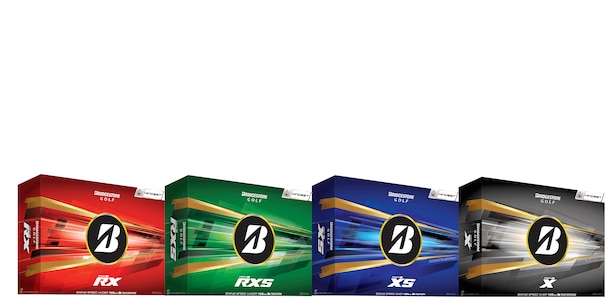
The Bridgestone Tour B family of golf balls gets a boost in speed from a new mantle layer material that adds greater density to maximise the core’s resiliency. As has been the case for nearly two decades, the line-up will feature four models.
This latest announcement indicates that golf’s ruling bodies are considering comments to do away with the two-year interim period, implementing the rollback rule for both elite golfers and average golfers starting in 2030.
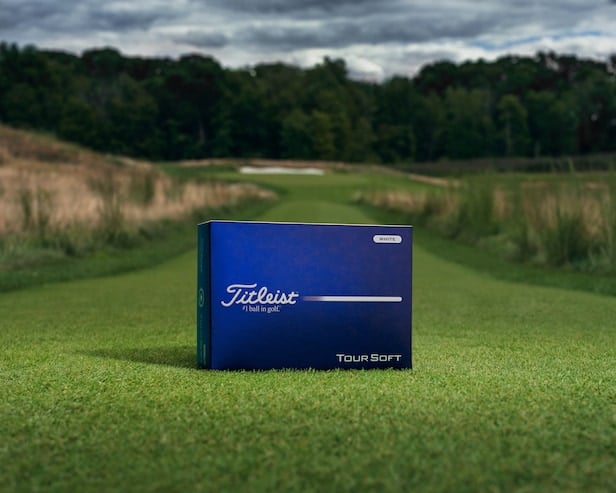
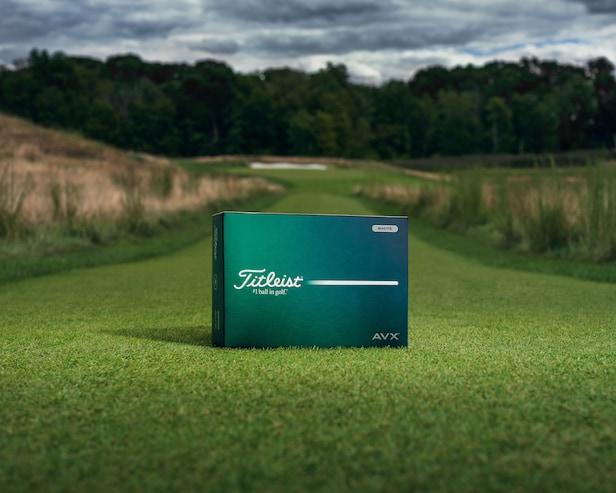
The fifth iteration of the Titleist AVX features a reformulated core and a new aerodynamic package on a softer cast urethane cover to produce the driver and iron flight of the previous AVX but with more short-game spin and control.
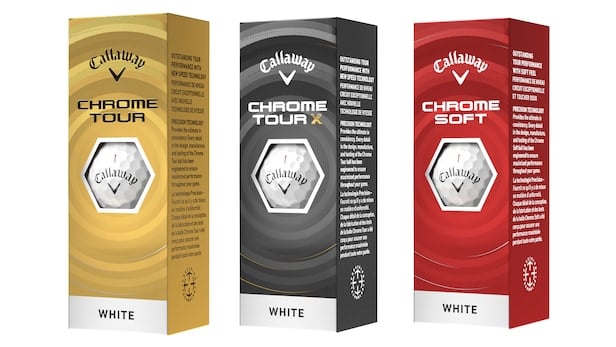
The next generation of Chrome series golf balls launches with a distinctive upgrade in a stronger, stiffer mantle layer designed to boost initial ball speed throughout all three models in the line.

 Australian Golf Digest